Fresh quail eggs now 15% off!
Restorative (or Regenerative) Farming
Restorative farming aims to heal the land, strengthen ecosystems, produce nutrient-dense food, and create long-term resilience for farmers and communities.
Pasture-Based Management
Chickens are raised on open pastures where they can forage naturally, promoting animal welfare and soil health.
Rotational Grazing
Moving flocks regularly prevents overgrazing, encourages even manure distribution, and enhances soil fertility.
Biodiversity Support
Integrating trees, shrubs, and other plants into pastureland encourages insects and wildlife, creating a balanced ecosystem.
Soil Regeneration
Chickens’ natural scratching and foraging improve soil aeration, nutrient cycling, and organic matter content.
Animal Welfare
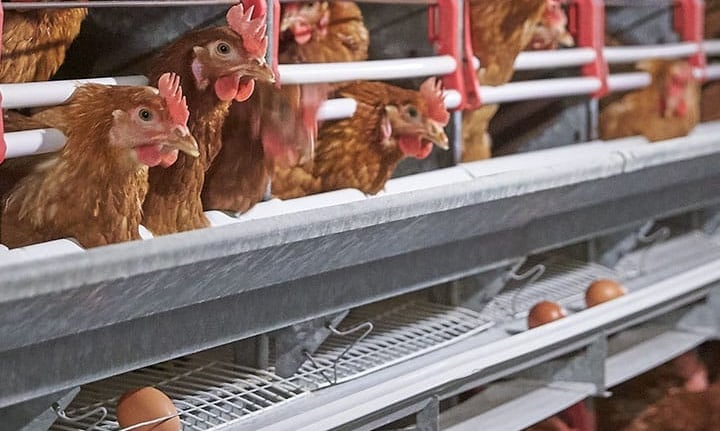
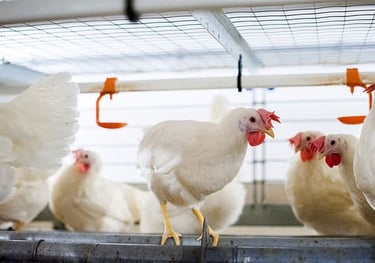
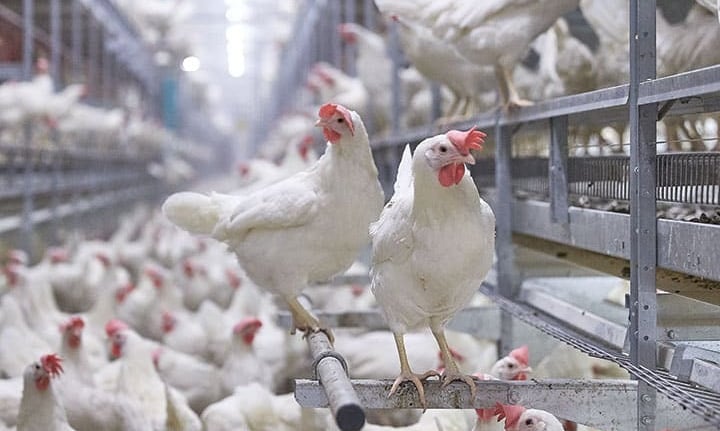
Ensuring chickens have freedom to roam, access to natural light, shelter, clean water, and space to exhibit natural behaviors.
Natural Diets
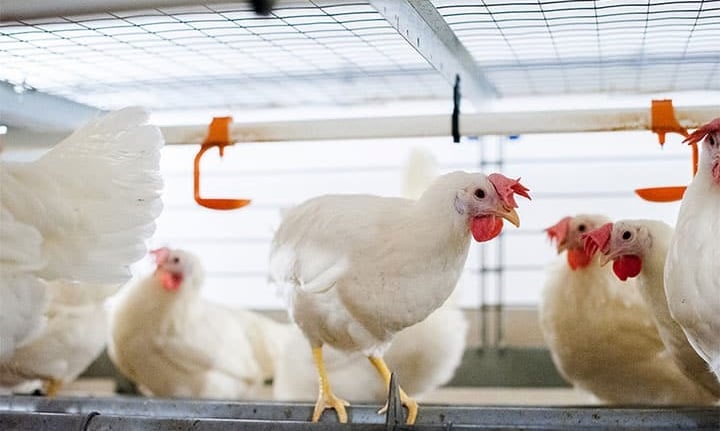
Chickens are fed diets that complement foraging, minimizing processed feeds and avoiding GMOs, hormones, or antibiotics.
Integrated Farming Practices
Chickens are part of a larger farm ecosystem, often contributing to pest control, composting, and soil improvement.
Minimal Environmental Impact
Farming practices prioritize clean water, reduced runoff, and avoidance of chemical fertilizers and pesticides.


Local and Sustainable Markets
Supporting community food systems and reducing the carbon footprint by selling locally when possible.
Nutri-Quail Farm Ltd
Naturally Raised. Responsibly Nourishing.
Contact
Newsletter
info@fermenutri-caille.ca
+1 (450) 232-6890
© 2014. All rights reserved.